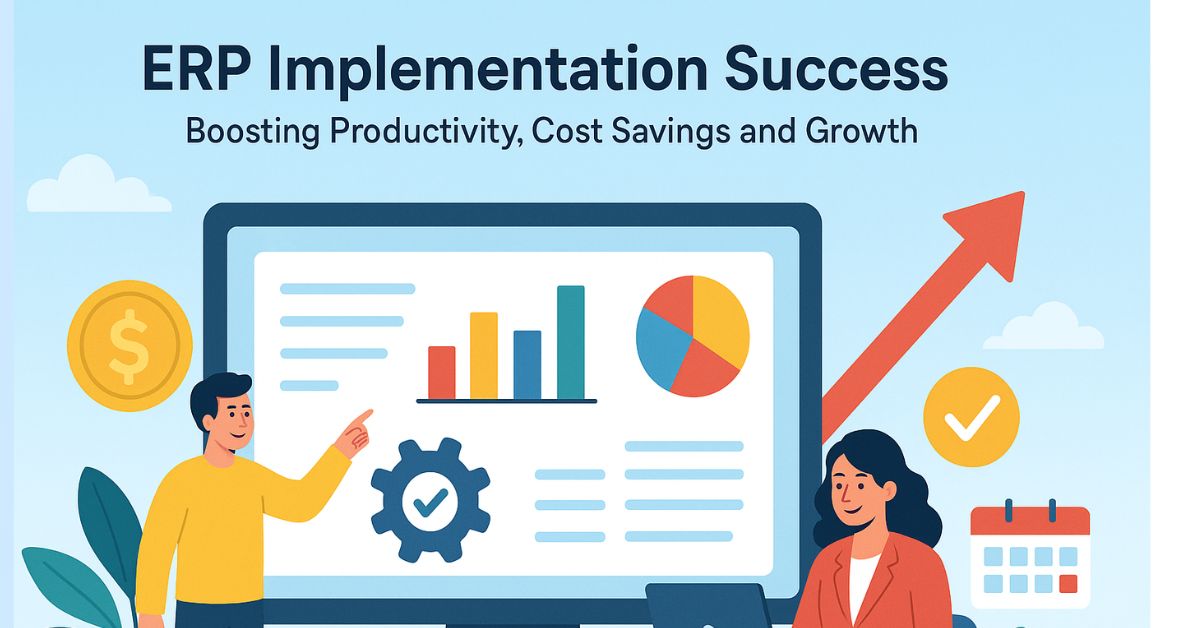
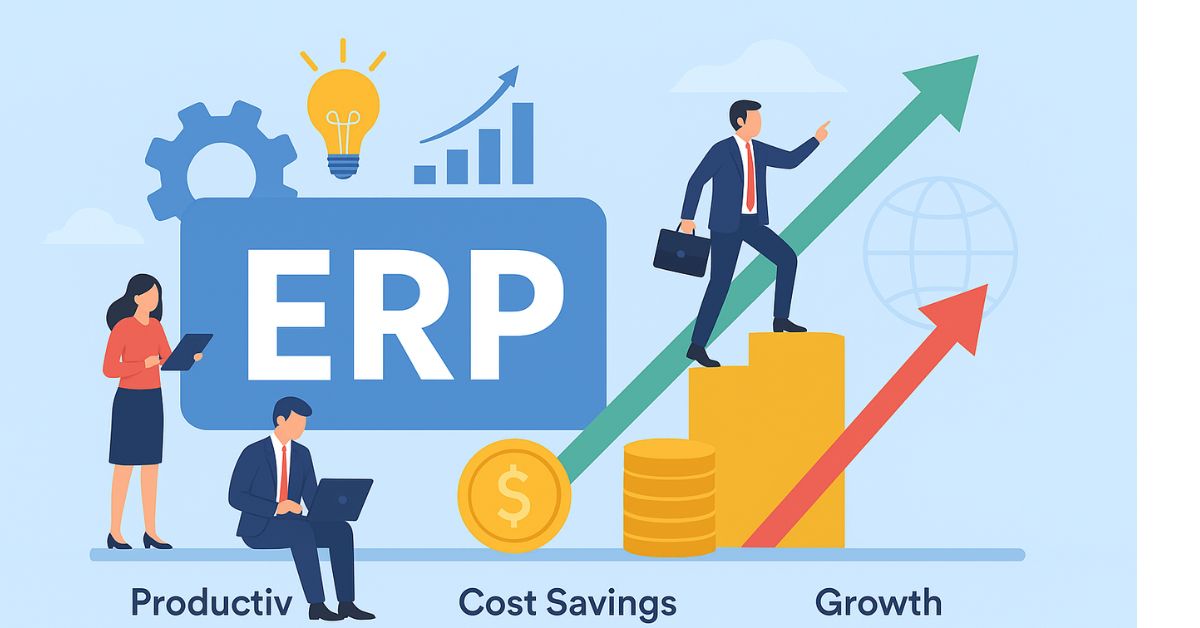
ERP implementation success is a critical factor for modern businesses looking to streamline operations and enhance overall performance. Companies that achieve ERP implementation success experience significant improvements in productivity, cost savings, and growth. By integrating all core business processes into a single system, ERP solutions enable organizations to make data-driven decisions, eliminate redundancies, and optimize resource utilization. Achieving ERP implementation success requires strategic planning, clear objectives, and active engagement from all stakeholders.
Table of Contents
ToggleImproving Productivity through ERP Implementation
Implementing an ERP system successfully can transform how businesses operate. Productivity increases because employees spend less time on manual tasks and more time on strategic activities. Streamlined processes and centralized data access reduce delays and errors, allowing teams to focus on value-driven tasks.
- Centralized Data Access: ERP implementation success ensures that all business data is accessible from a single platform. Employees can quickly retrieve information, reducing time spent searching for records and improving decision-making.
- Automated Workflows: Automation of routine tasks, such as order processing, payroll, and reporting, eliminates manual work, freeing employees to focus on critical business functions.
- Enhanced Collaboration: ERP implementation success fosters better communication across departments. Teams can collaborate effectively, share information in real-time, and address issues promptly.
- Performance Tracking: Organizations can monitor employee and departmental performance through real-time dashboards, identifying bottlenecks and areas for improvement, which supports continuous productivity growth.
ERP implementation success can result in significant cost savings. By optimizing business processes, reducing errors, and improving resource allocation, companies can minimize operational expenses. A well-executed ERP implementation allows organizations to reduce waste, control inventory efficiently, and avoid redundant expenditures.
- Inventory Optimization: ERP implementation success allows businesses to maintain optimal inventory levels. Reduced overstocking and stockouts minimize storage costs and improve cash flow.
- Operational Efficiency: Streamlined processes and automated reporting reduce administrative costs and the need for extensive manual intervention.
- Error Reduction: With ERP implementation success, the risk of errors in financial transactions, order processing, and compliance reporting decreases, reducing the cost of corrections and penalties.
- Resource Allocation: ERP systems provide insights into resource usage, enabling organizations to allocate manpower, equipment, and finances efficiently and avoid unnecessary expenditures.
Driving Growth with ERP Implementation
ERP implementation success is not just about improving internal efficiency; it also fuels business growth. With accurate data, predictive analytics, and scalable operations, companies can expand their market presence and capitalize on new opportunities. Growth driven by ERP implementation success stems from better decision-making, faster time-to-market, and enhanced customer satisfaction.
- Data-Driven Decisions: ERP implementation success provides managers with real-time insights, enabling informed decisions that support business expansion and strategic initiatives.
- Customer Experience: By streamlining order fulfillment, inventory management, and service delivery, ERP implementation success improves customer satisfaction, loyalty, and retention.
- Scalability: ERP systems enable organizations to scale operations efficiently without compromising productivity, ensuring sustainable growth.
- Market Adaptability: ERP implementation success allows businesses to respond swiftly to market changes and emerging trends, giving them a competitive edge in dynamic industries.
Challenges in Achieving ERP Implementation Success
While ERP implementation success offers numerous benefits, achieving it requires overcoming certain challenges. Organizations must address technical, organizational, and human factors to ensure a smooth transition.
- Change Management: Employees may resist changes to established workflows. Proper training and communication are essential to achieve ERP implementation success.
- Integration Complexity: Integrating ERP with existing systems can be complex. Planning and testing are critical to avoid disruptions during implementation.
- Data Migration: Accurate data migration is essential. Inconsistent or incomplete data can hinder ERP implementation success and affect overall performance.
- Cost and Time Management: ERP implementation success requires careful budgeting and scheduling. Delays or overspending can reduce the expected return on investment.
Best Practices for ERP Implementation Success
To maximize productivity, cost savings, and growth, organizations should follow best practices during ERP implementation. These practices ensure a structured approach and mitigate potential risks.
- Define Clear Objectives: Establish measurable goals for ERP implementation success, focusing on process improvement, cost reduction, and growth targets.
- Engage Stakeholders: Involve employees from all departments to ensure ERP implementation success and alignment with organizational needs.
- Continuous Monitoring: Regularly monitor ERP performance metrics to evaluate implementation success and identify areas for improvement.
- Ongoing Training: Invest in employee training to ensure proper system usage, maximizing the benefits of ERP implementation success.
Conclusion
ERP implementation success is a strategic investment that drives productivity, cost savings, and business growth. By centralizing data, automating processes, and enabling data-driven decisions, ERP systems transform the way organizations operate. Companies that focus on clear objectives, stakeholder engagement, and best practices can achieve ERP implementation success and gain a sustainable competitive advantage. Embracing ERP implementation success today prepares businesses for a future of efficiency, profitability, and scalable growth.