
The Future of ERP: Trends to Watch in 2025 and Beyond
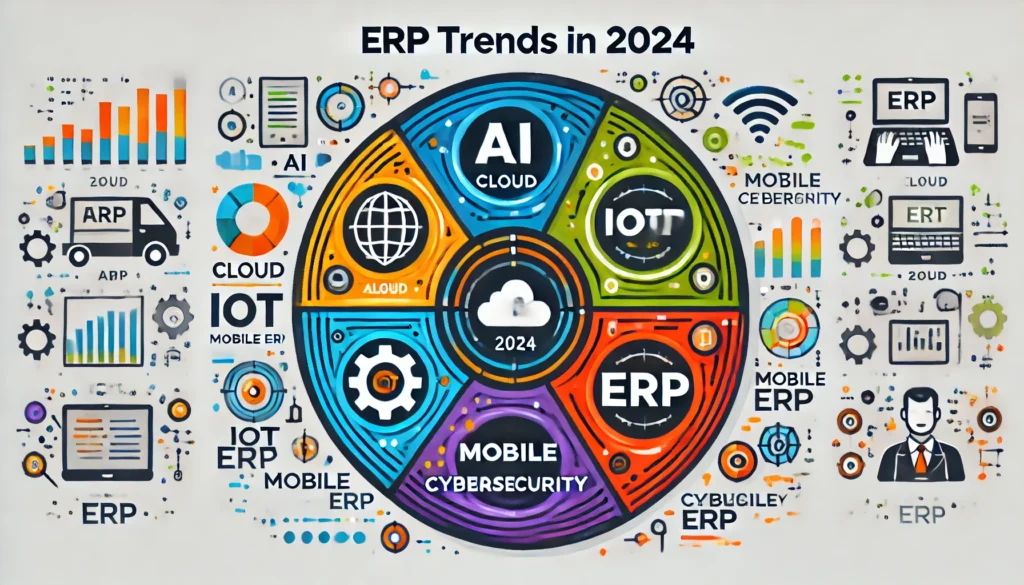
As we approach 2025, it’s essential to explore the key ERP trends for 2024 and beyond that will shape the future of business processes and digital transformation. The landscape of enterprise resource planning (ERP) systems continues to evolve at an unprecedented pace. With businesses increasingly relying on technology to streamline operations, ERP systems are at the forefront of innovation. ERP Trends 2024: The Road Ahead The year 2024 marks a pivotal time for ERP technology. From AI integration to enhanced user experiences, ERP systems are adapting to meet the needs of a rapidly changing business environment. Here are the trends to watch out for: 1. AI and Machine Learning in ERP Systems Artificial intelligence (AI) and machine learning (ML) are no longer buzzwords; they’re becoming integral components of ERP systems. Advanced analytics, predictive modeling, and intelligent automation are now embedded within ERP platforms to enhance decision-making and operational efficiency. Predictive Analytics: AI helps businesses forecast demand, manage inventory, and optimize supply chain processes. Automation: Repetitive tasks like data entry and invoice processing can now be automated, reducing human error and saving time. 2. Cloud-Based ERP Solutions Dominate Cloud-based ERP adoption is on the rise, providing businesses with scalability, cost savings, and accessibility. This trend continues to grow as organizations seek more flexible and efficient solutions. Advantages of Cloud ERP: Real-time data access, seamless updates, and reduced IT infrastructure costs. Hybrid Models: Many companies are adopting hybrid ERP systems, combining on-premise and cloud-based solutions to balance control and scalability. 3. Focus on Industry-Specific ERP Systems One-size-fits-all ERP solutions are becoming a thing of the past. Industry-specific ERP systems are tailored to meet the unique requirements of sectors such as manufacturing, retail, healthcare, and construction. Manufacturing: ERP systems now include IoT integration for real-time production tracking. Healthcare: Compliance management and patient data security are prioritized in healthcare ERP solutions. 4. Increased Integration with IoT The Internet of Things (IoT) is transforming how businesses manage assets and operations. ERP systems now incorporate IoT data for enhanced visibility and control. Inventory Management: IoT sensors enable real-time tracking of stock levels and movement. Preventive Maintenance: IoT data ensures machinery maintenance is performed before issues arise, reducing downtime. 5. Mobile ERP for On-the-Go Access Mobile ERP applications are empowering businesses to stay connected, regardless of location. This trend supports remote work and increases productivity. Field Operations: Mobile ERP enables field teams to access data, update records, and generate reports on-site. Enhanced Collaboration: Teams can share real-time updates, ensuring better communication and decision-making. 6. Improved User Experiences Modern ERP systems prioritize user-centric designs. Simplified interfaces and personalized dashboards improve adoption rates and productivity. AI-Powered Assistance: Chatbots and virtual assistants guide users through tasks, making ERP systems more intuitive. Customizable Dashboards: Users can tailor their views to focus on the data most relevant to their roles. 7. Cybersecurity Enhancements As ERP systems store sensitive business data, cybersecurity is a growing concern. Enhanced security measures ensure data integrity and compliance. Advanced Authentication: Multi-factor authentication (MFA) and biometric verification protect access to ERP systems. Encryption: Secure data transmission and storage reduce the risk of breaches. Benefits of Staying Ahead with ERP Trends Investing in the latest ERP trends offers several advantages: Increased Efficiency: Automation and AI reduce manual workload and improve accuracy. Scalability: Cloud-based ERP solutions grow with your business needs. Competitive Edge: Businesses leveraging modern ERP systems are better equipped to adapt to market changes. Preparing for ERP Trends in 2025 and Beyond To stay competitive, businesses must align their ERP strategies with these trends. Here’s how to prepare: Evaluate Your Current ERP System: Conduct regular health checks to identify gaps and inefficiencies. Partner with a Reliable Vendor: Work with ERP providers who prioritize innovation and scalability. Invest in Training: Equip your team with the skills needed to maximize ERP system capabilities. Adopt a Phased Approach: Gradually implement new features to minimize disruption. ERP for Growing Enterprises: A Key Trend One significant focus area is ERP systems designed specifically for growing enterprises. As businesses expand, their operational needs become more complex. Scalable ERP solutions ensure seamless growth while maintaining efficiency. Affordable Solutions: Vendors now offer pricing models suited to smaller enterprises. Custom Features: Tailored solutions address unique requirements, such as inventory management or client tracking. ERP Simplified: Making Technology Accessible Modern ERP systems aim to simplify complex processes, ensuring businesses of all sizes can leverage technology effectively. From intuitive interfaces to step-by-step guides, ERP systems are more accessible than ever. Conclusion The future of ERP systems is bright, with trends like AI integration, cloud-based solutions, and industry-specific systems leading the way. As we look to 2025 and beyond, businesses must adapt to these innovations to remain competitive and efficient. At ERP with Sagar, we’re committed to helping enterprises navigate the evolving ERP landscape. Whether you’re exploring Custom ERP Solutions for Your Business or optimizing your existing system, our insights ensure you stay ahead in the digital transformation journey. Embrace the future of ERP and unlock your business’s full potential.
The Importance of Regular ERP Health Checks
In the ever-evolving world of business technology, enterprise resource planning (ERP) systems are indispensable for streamlining operations, managing resources, and fostering growth. However, like any complex system, ERPs require regular monitoring and maintenance to ensure they continue to perform optimally. Regular ERP health checks play a crucial role in identifying inefficiencies, ensuring compliance, and adapting to changing business needs. For businesses seeking efficiency and scalability, Custom ERP Solutions for Your Business can further enhance these benefits by tailoring ERP systems to unique requirements. What Are ERP Health Checks? ERP health checks involve systematically evaluating your ERP system to identify performance gaps, inefficiencies, and areas of improvement. This process encompasses analyzing system usage, configuration, integrations, and overall functionality to ensure that the ERP aligns with your business objectives. Why Regular ERP Health Checks Are Essential Optimize System Performance: Over time, ERP systems can experience lag due to increased data loads, outdated configurations, or redundant processes. Regular health checks help identify and address these issues, ensuring that your system operates at peak performance. Adapt to Business Growth: As businesses grow, their operational needs evolve. A health check evaluates whether the ERP system is still aligned with current objectives and whether it requires additional modules, features, or integrations to accommodate growth. Enhance Security and Compliance: With increasing threats of cyberattacks and evolving regulatory requirements, ensuring the security and compliance of your ERP system is critical. Health checks help identify vulnerabilities and ensure that your system complies with industry regulations. Prevent Costly Downtime: Unexpected system failures can disrupt operations and result in significant losses. Regular evaluations help detect potential issues early, allowing businesses to address them proactively and prevent downtime. Maximize ROI: An underperforming ERP system can drain resources without delivering the expected benefits. Regular health checks ensure that your investment in the system continues to yield optimal returns by aligning its performance with business goals. Steps Involved in an ERP Health Check Performance Analysis: Evaluate the overall performance of the ERP system, including response times, data processing efficiency, and system uptime. This step ensures that the ERP is running smoothly and meeting user expectations. User Feedback Collection: Gather feedback from employees to understand any challenges or limitations they face while using the ERP system. User input is invaluable in identifying practical inefficiencies. Data Integrity Review: Analyze the quality and consistency of data stored in the ERP system. Poor data quality can hinder decision-making and lead to errors in operations. Configuration and Customization Check: Review the system’s configurations and customizations to ensure they are still relevant to current business processes. This step also evaluates whether new features need to be implemented. Integration Assessment: Assess how well the ERP system integrates with other tools and software used by the organization. Seamless integration is crucial for efficient workflows and data sharing. Compliance and Security Audit: Examine the system’s compliance with industry regulations and evaluate its security protocols to protect sensitive data from breaches. Action Plan Development: Based on the findings, create a detailed action plan to address any issues and implement necessary improvements. This plan should include timelines, resources, and responsibilities. Benefits of Custom ERP Solutions for Your Business While regular health checks are essential, businesses often benefit from implementing Custom ERP Solutions for Your Business. These tailored systems are designed to meet the specific needs of your organization, ensuring that your ERP solution evolves alongside your business. Tailored Features: Custom ERP systems offer features and functionalities designed specifically for your industry and operational requirements, eliminating unnecessary tools and streamlining workflows. Scalability: As your business grows, custom ERP solutions can scale to accommodate increased data, users, and complexity, ensuring that your system supports long-term growth. Improved User Adoption: With features that align closely with your business processes, custom ERP solutions are easier for employees to adopt, reducing the learning curve and enhancing productivity. Competitive Advantage: A custom ERP system allows businesses to stay ahead of the competition by offering unique features and capabilities that standard systems may not provide. Cost Efficiency: Although custom ERP solutions may require an initial investment, they can reduce costs in the long run by eliminating inefficiencies, automating processes, and preventing the need for frequent upgrades. How Often Should ERP Health Checks Be Conducted? The frequency of ERP health checks depends on the size and complexity of your organization, as well as the nature of your industry. However, it’s generally recommended to conduct a health check: Annually: For a comprehensive evaluation of the system. Biannually: If your organization is undergoing significant growth or change. After Major Updates: Following upgrades or system changes to ensure smooth functioning. When Issues Arise: If users report consistent problems or inefficiencies. When to Consider an ERP Upgrade While regular health checks can extend the lifespan of your ERP system, there may come a time when an upgrade is necessary. Signs that it’s time to consider an upgrade include: The system is no longer supported by the vendor. Users face frequent downtime or errors. The ERP cannot handle the volume of data or users required. Integration with newer tools is impossible or challenging. For such scenarios, exploring Custom ERP Solutions for Your Business can provide a future-proof alternative tailored to your needs. Conclusion Regular ERP health checks are not just a maintenance task—they are a strategic initiative to ensure that your system supports your business’s evolving goals. By conducting comprehensive evaluations and leveraging Custom ERP Solutions for Your Business, companies can optimize their operations, enhance security, and maximize the value of their ERP investments. At ERP with Sagar, we are committed to helping businesses navigate the complexities of ERP systems. Whether you’re looking to conduct a health check or implement a custom solution, our expertise ensures that your ERP system drives efficiency and growth. Start your journey toward a more optimized ERP system today!
ERP Simplified: How to Train Your Team for Success
Train Your Team In this guide, we will explore the strategies to help your team embrace ERP with ease, focusing on ERP Simplified as the central theme. Implementing an ERP system can revolutionize business operations, but its success hinges on how well your team adopts and utilizes it. Proper training ensures employees are equipped to maximize the system’s capabilities, leading to streamlined processes and improved efficiency. Training your team to use an ERP system effectively can seem daunting, but with a structured approach, it becomes manageable and rewarding. The Importance of Training for ERP Success Investing in an ERP system is only the first step. Without adequate training, the software’s full potential may remain untapped. Training ensures that: Employees are confident and proficient in using the system. Mistakes and inefficiencies are minimized. Your organization achieves a quicker return on investment (ROI). Teams collaborate better, using a unified platform. By focusing on ERP Simplified, the goal is to make the system accessible, intuitive, and effective for all team members. Steps to Train Your Team Effectively: ERP Simplified Assess Training Needs: Begin by evaluating your team’s familiarity with ERP systems. Some employees may require basic training, while others might need in-depth modules tailored to their roles. Identify gaps in knowledge and tailor training sessions accordingly. Choose the Right Training Methods: Different teams benefit from various training methods. Consider a combination of: Workshops: Hands-on sessions that walk users through system functions. Online Tutorials: Video and written guides for self-paced learning. Role-Specific Training: Focused on how each department will use the ERP system. Engage ERP Experts: Partner with ERP experts or vendors to provide in-depth training sessions. Their expertise ensures your team gains a solid understanding of system functionalities and best practices. Start with Key Features: Overwhelming your team with the entire system at once can be counterproductive. Begin by introducing the essential features of your ERP system. Gradually expand to advanced functionalities as users grow more comfortable. Incorporate Real-World Scenarios: Use examples that resonate with your team’s daily tasks. Demonstrating how ERP simplifies processes like inventory management, reporting, or customer tracking makes training relatable and practical. Encourage Active Participation: Make training interactive by encouraging employees to ask questions and share feedback. Conduct quizzes or group exercises to reinforce learning and ensure engagement. Leverage ERP Simplified Tools: Simplify the ERP experience by using tools like user-friendly dashboards and workflows. Highlighting such features during training helps employees see the system as a helpful ally rather than a complex tool. Overcoming Resistance to ERP Training Change can be intimidating, and some employees may resist adopting a new system. Address their concerns proactively: Communicate Benefits: Explain how ERP simplifies their tasks and reduces manual work. Involve Employees Early: Let teams participate in the ERP selection or implementation process to foster ownership. Offer Ongoing Support: Provide a helpdesk or designated ERP expert for queries and troubleshooting. By emphasizing ERP Simplified, you create a narrative that highlights how the system enhances, rather than complicates, their workflow. Benefits of a Well-Trained Team Investing in ERP training pays off in numerous ways: Increased Productivity: Employees spend less time figuring out how to use the system and more time leveraging its features for their tasks. Reduced Errors: Proper training minimizes costly mistakes, such as incorrect data entry or mishandled processes. Streamlined Collaboration: Teams across departments work cohesively within the ERP platform, improving communication and efficiency. Higher Job Satisfaction: Employees feel empowered when they understand and use ERP tools effectively, boosting morale and retention. Maximized ROI: A well-trained workforce ensures your ERP investment delivers value by optimizing business operations. Creating a Long-Term Training Plan ERP training shouldn’t end after implementation. Establish a continuous learning strategy: Refresher Courses: Offer periodic training sessions to reinforce skills. Advanced Modules: Introduce new features and functionalities as your team grows more proficient. Feedback Mechanisms: Regularly collect employee input to improve training programs. Long-term training aligns with the principle of ERP Simplified, ensuring the system evolves with your business needs. Tools to Aid ERP Training Integrate tools to make training efficient and effective: Learning Management Systems (LMS): Deliver and track online ERP training programs. Interactive Guides: Use software that overlays the ERP system, guiding users step by step. Training Manuals: Provide comprehensive documentation tailored to your ERP setup. Analytics Tools: Monitor training progress and identify areas needing improvement. Success Stories: Real-Life Impact of ERP Training Many businesses have transformed their operations through ERP training: A manufacturing company streamlined inventory management, reducing errors by 30% after implementing targeted ERP training. A retail chain improved cross-departmental coordination, leading to a 20% boost in customer satisfaction. These examples underscore the importance of a structured training approach. Conclusion Effective ERP training is not just a one-time task; it’s an ongoing commitment to empowering your workforce. By simplifying the learning process and emphasizing the benefits, businesses can ensure their teams embrace ERP with confidence and enthusiasm. At ERP with Sagar, we believe in making ERP adoption seamless for growing enterprises. With the focus on ERP Simplified, we guide organizations to train their teams effectively, unlocking the full potential of their ERP systems. By investing in proper training, your business can enhance productivity, reduce errors, and stay competitive in today’s dynamic landscape.
The Role of ERP in the Food and Beverage Industry
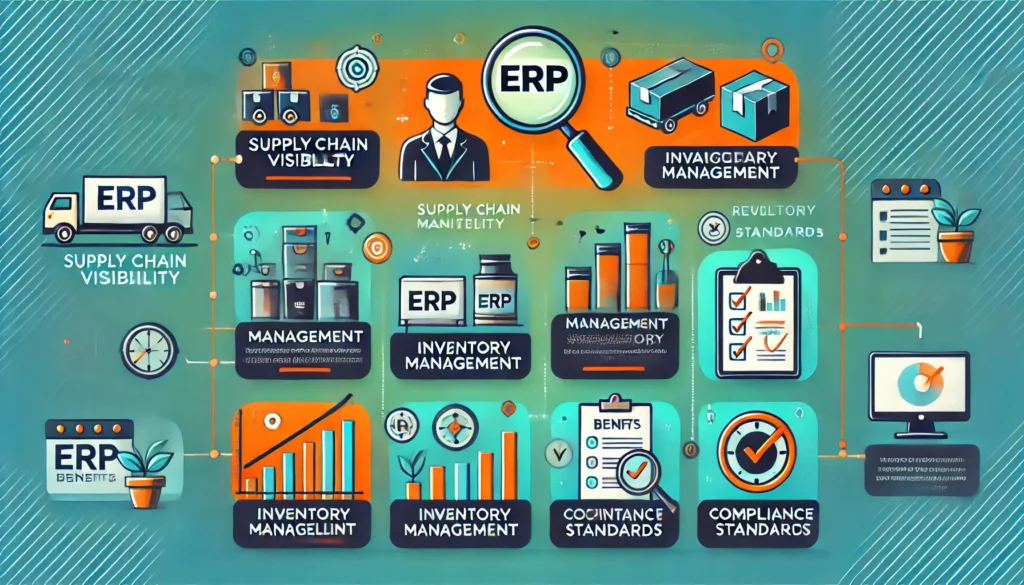
modern construction companies The food and beverage industry operates in a fast-paced environment where efficiency, compliance, and adaptability are paramount. From sourcing raw materials to managing inventory and ensuring food safety, businesses must navigate complex processes to meet customer demands. This is where ERP for Growing Enterprises becomes a game-changer, providing a unified solution to streamline operations, enhance visibility, and foster growth. In this blog, we’ll explore the essential role of ERP systems in the food and beverage industry, focusing on their transformative impact on productivity, compliance, and customer satisfaction. Challenges in the Food and Beverage Industry The food and beverage sector faces a unique set of challenges that require robust technological solutions: Stringent Regulations and Compliance: Adherence to food safety standards like HACCP, FDA, and ISO certifications demands meticulous record-keeping and traceability. Perishable Inventory: Managing short shelf lives and reducing waste is a constant struggle for businesses in this industry. Complex Supply Chains: Coordinating raw material procurement, production schedules, and distribution networks can be overwhelming. Demand Volatility: Seasonal demand fluctuations and market trends require dynamic planning and inventory control. These challenges highlight the need for an advanced ERP solution tailored to the food and beverage industry. Benefits of ERP for Growing Enterprises in the Food and Beverage Sector Enhanced Supply Chain Visibility : ERP systems provide real-time visibility into every aspect of the supply chain, from procurement to distribution. With centralized data, businesses can monitor inventory levels, track shipments, and ensure timely deliveries, minimizing disruptions and maximizing efficiency. Streamlined Inventory Management : Managing perishable goods demands precision. ERP solutions help businesses optimize stock levels, implement first-in-first-out (FIFO) inventory management, and reduce spoilage by automating expiration tracking. Improved Regulatory Compliance : ERP systems simplify compliance by automating record-keeping, generating audit trails, and ensuring traceability. Features like batch tracking and quality control modules enable businesses to meet regulatory requirements seamlessly. Accurate Demand Forecasting : By analyzing historical data and market trends, ERP systems empower businesses to predict demand fluctuations accurately. This reduces overstocking, minimizes waste, and ensures consistent product availability. Optimized Production Scheduling : ERP solutions enable efficient production planning by aligning manufacturing schedules with demand forecasts. This reduces downtime, optimizes resource utilization, and ensures timely order fulfillment. Improved Quality Control : Maintaining high-quality standards is non-negotiable in the food and beverage industry. ERP systems provide tools to monitor quality at every stage, from raw material inspection to finished product evaluation. Key Features of ERP Systems for the Food and Beverage Industry Lot and Batch TrackingLot and batch tracking features ensure complete traceability of products from raw material procurement to end-user delivery. This is critical for managing recalls and ensuring customer safety. Recipe and Formula ManagementERP systems allow businesses to standardize recipes, manage variations, and calculate production costs, ensuring consistency in product quality and pricing. Automated Compliance ManagementBuilt-in compliance tools help businesses stay updated with industry regulations, generate necessary documentation, and avoid penalties. Real-Time AnalyticsERP solutions provide dashboards and reports that offer insights into sales trends, inventory performance, and operational efficiency, enabling data-driven decision-making. Scalability for GrowthERP systems designed for growing enterprises can scale with the business, accommodating increased production volumes, expanded product lines, and new market entry. Case Study: ERP Success in the Food and Beverage Industry Company X, a mid-sized organic food manufacturer, faced challenges in managing its growing operations. After implementing an ERP for Growing Enterprises, the company achieved: 30% Reduction in Inventory Waste: Automated inventory tracking minimized spoilage and optimized stock levels. 50% Faster Compliance Audits: Digitized record-keeping and traceability streamlined the audit process. Improved Customer Satisfaction: Accurate demand forecasting ensured on-time deliveries, boosting customer trust and loyalty. This transformation highlights how ERP systems can revolutionize operations in the food and beverage sector. Choosing the Right ERP Solution for the Food and Beverage Industry When selecting an ERP system for your food and beverage business, consider the following: Industry-Specific Features: Ensure the solution offers tools like batch tracking, recipe management, and compliance modules. Integration Capabilities: Look for ERP systems that integrate seamlessly with existing software like CRM or point-of-sale systems. User-Friendly Interface: An intuitive interface ensures quicker adoption by employees, reducing training time and costs. Scalability: Choose a solution that can grow with your business, supporting increased operations and new markets. The Future of ERP in the Food and Beverage Industry As technology continues to evolve, ERP systems are incorporating advanced features like artificial intelligence, IoT integration, and predictive analytics. These innovations promise to enhance decision-making, automate repetitive tasks, and further optimize supply chains. With the rise of e-commerce and changing consumer preferences, businesses in the food and beverage industry must embrace digital transformation to remain competitive. Implementing an ERP solution is a critical step in this journey, enabling businesses to adapt to market demands and achieve sustainable growth. Conclusion In an industry defined by complexity and rapid change, ERP systems are indispensable for businesses striving to enhance efficiency, maintain compliance, and meet customer expectations. By implementing Custom ERP Solutions for Your Business, companies in the food and beverage sector can streamline operations, reduce costs, and drive growth. At ERP with Sagar, we specialize in exploring the transformative power of ERP systems across industries. Stay tuned for more insights and strategies on leveraging ERP solutions to achieve business success.
Signs Your ERP System Is Outdated-and Why You Need Custom ERP Solutions
modern construction companies Enterprise Resource Planning (ERP) systems are the backbone of modern business operations. However, as businesses grow and technology evolves, an outdated ERP system can hinder progress rather than support it. Identifying the signs of an outdated ERP system and understanding how Custom ERP Solutions for Your Business can address these challenges is crucial for staying competitive. Key Signs Your ERP System Is Outdated Limited Integration Capabilities: If your ERP system doesn’t integrate seamlessly with modern tools like CRM platforms, supply chain software, or analytics tools, it’s a clear indicator that it’s outdated. Custom ERP solutions provide better integration capabilities to ensure smooth data flow across departments. Poor Scalability: An outdated ERP system may struggle to handle the growing demands of your business. This can lead to slow processing times, frequent crashes, and operational bottlenecks. Upgrading to custom ERP solutions ensures your system grows with your business. Lack of Mobile Accessibility: Modern businesses require real-time access to data from anywhere. If your ERP system doesn’t support mobile devices or cloud-based operations, it’s time to consider switching to a system with advanced mobility features. Complex and Time-Consuming User Interface: A cumbersome ERP interface can lead to wasted time and employee frustration. Custom ERP solutions are designed with user-friendly interfaces to enhance productivity and reduce training time. High Maintenance Costs: If maintaining your ERP system is draining your resources, it’s a strong indication that the system is no longer efficient. Newer ERP solutions offer cost-effective, cloud-based options that reduce maintenance expenses. Inability to Meet Compliance Standards: Businesses need to comply with ever-changing regulatory requirements. If your ERP system fails to adapt to these changes, it can result in penalties and reputational damage. Modern ERP solutions ensure compliance with industry standards. Lack of Real-Time Insights: An outdated ERP system may not provide accurate, real-time insights into your operations. Custom ERP solutions integrate advanced analytics tools, enabling data-driven decision-making. What to Do About an Outdated ERP System Assess Your Business Needs: Evaluate your current ERP system’s performance and identify gaps. Focus on areas where it fails to meet your operational needs. Research Modern ERP Solutions: Explore options that align with your industry and business size. Cloud-based solutions, such as NetSuite, offer scalability, integration, and mobility. Consider Custom ERP Solutions for Your Business: A custom ERP system is tailored to your unique needs, offering flexibility, scalability, and seamless integration. It addresses pain points that generic ERP systems often miss. Plan a Phased Migration: Transitioning to a new ERP system can be challenging. Adopt a phased approach to minimize disruptions and allow employees to adapt to the changes. Train Your Team: Provide comprehensive training to employees on the new ERP system to ensure a smooth transition and maximize efficiency. Leverage Expert Support: Work with ERP consultants to implement and optimize the new system, ensuring it aligns with your business goals. Benefits of Custom ERP Solutions Custom ERP solutions provide a transformative advantage for businesses by tailoring functionality to unique operational needs. Unlike off-the-shelf software, which often includes unnecessary features and lacks flexibility, a custom ERP system is designed specifically to address the challenges and goals of your business. Below are the expanded benefits: Tailored Features for Specific Needs: Custom ERP solutions adapt to your business processes, eliminating redundant steps and enhancing workflow efficiency. For example, a manufacturing company can integrate production scheduling, inventory tracking, and quality control into one seamless platform, while a retail business might focus on inventory management, customer analytics, and supply chain logistics. Enhanced Integration with Existing Tools: Modern businesses use various software tools for operations like customer relationship management (CRM), supply chain management, and accounting. A custom ERP solution integrates these tools, enabling smooth data flow and ensuring consistency across departments. This eliminates the inefficiencies and errors caused by siloed systems. Improved Scalability for Growth: As your business expands, so do its operational requirements. Custom ERP solutions grow with your business by incorporating new features and modules as needed. This scalability ensures your system remains relevant, cost-effective, and capable of managing increased demand. Cost Efficiency: While the upfront cost of custom ERP solutions might seem higher, they save money in the long run by focusing only on the features you need. This reduces licensing fees, minimizes training costs, and eliminates the need for multiple software subscriptions. Real-Time Insights and Reporting: Custom ERP solutions integrate advanced analytics and reporting tools, providing real-time insights into your business performance. These tools enable data-driven decision-making, helping you identify trends, reduce inefficiencies, and maximize profitability. Future Trends in ERP Systems AI and Machine Learning Integration: Modern ERP systems are incorporating AI-driven insights for predictive analytics, demand forecasting, and process automation. Cloud-First ERP Solutions: Cloud-based ERP systems are becoming the norm, offering real-time data access and reducing hardware costs. Focus on Customization: Businesses are increasingly seeking customized ERP systems that cater to their specific needs, ensuring long-term relevance. Mobile-Optimized Platforms: With the rise of remote work, mobile-friendly ERP systems are gaining traction, allowing businesses to stay connected anytime, anywhere. Conclusion Recognizing the signs of an outdated ERP system is the first step toward enhancing your business operations. By transitioning to Custom ERP Solutions for Your Business, you can unlock greater efficiency, scalability, and innovation. Whether it’s improved integration, cost reduction, or compliance, a modern ERP system can position your business for success. At ERP with Sagar, we believe in empowering businesses with the knowledge to make informed decisions. Upgrade your ERP system today and embrace the future of operational excellence.
Why ERP Systems Are Essential for Modern Construction Companies
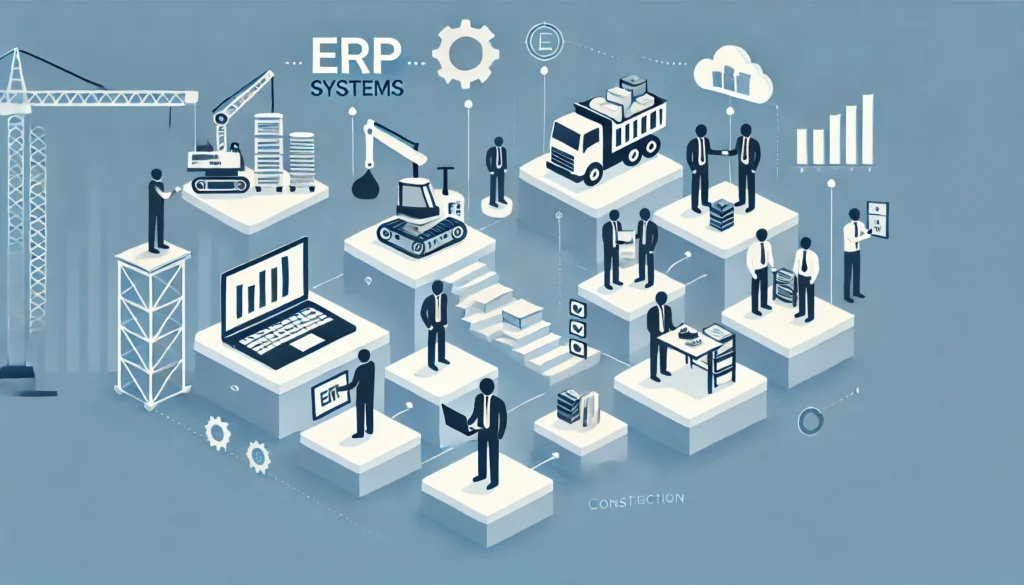
modern construction companies In today’s fast-paced construction industry, staying competitive requires more than just hard work and skilled labour, it demands cutting-edge technology. Modern construction companies face challenges such as tight project deadlines, cost overruns, complex supply chains, and workforce management issues. Enter ERP systems, the backbone of efficient operations for construction businesses. Custom ERP Solutions for Your Business offer the flexibility and scalability needed to meet unique industry demands. By integrating processes, centralizing data, and enhancing decision-making, ERP systems are revolutionizing the way construction projects are planned, executed, and delivered. Streamlining Operations with ERP Systems One of the most significant benefits of ERP systems is their ability to unify various processes under one platform, enabling seamless communication across departments. Centralized Data Management: An ERP system eliminates the need for multiple software tools by creating a single source of truth for all project data. From contracts and designs to budgets and schedules, everything is stored and easily accessible. Real-Time Insights: ERP software provides real-time updates, ensuring project managers and stakeholders are always informed about project progress and potential risks. Automated Workflows: Reduce manual errors and repetitive tasks by automating critical functions like procurement, invoicing, and compliance tracking. By streamlining operations, Custom ERP Solutions for Your Business empower construction companies to deliver projects on time and within budget. Enhancing Resource and Workforce Management In the construction industry, efficient resource allocation can make or break a project. ERP systems excel in optimizing the use of materials, labor, and equipment. Material Planning: Prevent delays by accurately forecasting material requirements and managing inventory levels. Equipment Utilization: Track and schedule machinery usage to reduce downtime and maintenance costs. Workforce Coordination: Assign tasks, monitor employee performance, and manage payroll through integrated ERP tools. With a tailored ERP solution, construction companies can maximize resource efficiency and minimize waste, leading to significant cost savings. Improving Financial Oversight and Budgeting Financial management is a critical aspect of construction projects, often involving multi-million-dollar budgets and complex cost structures. ERP systems simplify financial oversight by: Tracking Expenses: Monitor expenditures in real-time and compare them against initial budgets to identify discrepancies early. Generating Accurate Reports: Generate detailed financial reports that aid in decision-making and investor communication. Managing Contracts: Simplify contract management, ensuring that payments, timelines, and terms are adhered to. By providing transparency into financial data, ERP systems help construction companies maintain profitability and reduce the risk of cost overruns. Boosting Collaboration Across Stakeholders Construction projects involve multiple stakeholders, including architects, engineers, contractors, and suppliers. Miscommunication or delays in information sharing can lead to costly setbacks. ERP systems facilitate better collaboration by: Enabling Real-Time Communication: Stakeholders can access project updates, share files, and collaborate through centralized dashboards. Standardizing Processes: Establish consistent workflows and guidelines to ensure everyone is on the same page. Providing Mobile Accessibility: Many ERP platforms offer mobile apps, allowing on-site teams to access and update project data on the go. With Custom ERP Solutions for Your Business, construction companies can foster stronger relationships with stakeholders, ensuring smoother project execution. Ensuring Compliance and Risk Management Compliance with industry regulations and managing risks are non-negotiable aspects of construction. ERP systems simplify these processes by: Tracking Regulations: Stay updated with local and international compliance requirements. Identifying Risks: Use predictive analytics to anticipate potential challenges and mitigate them before they escalate. Managing Safety: Ensure employee safety through automated tracking of safety training, certifications, and incident reporting. By integrating compliance and risk management into their operations, construction companies can avoid penalties and safeguard their reputation. Scaling for Growth with ERP Systems As construction companies expand, so do their operational complexities. ERP systems are designed to grow with businesses, offering scalability and customization: Adapting to New Markets: Expand into new regions or services with the flexibility of ERP solutions. Custom Features: Tailor ERP modules to suit specific business needs, such as modular construction or green building initiatives. Cloud Integration: Leverage cloud-based ERP systems to ensure scalability, cost-efficiency, and remote accessibility. Custom ERP Solutions for Your Business enable construction companies to adapt to market changes and position themselves for long-term success. Choosing the Right ERP System for Construction Not all ERP systems are created equal, especially for the construction industry. When selecting a solution, consider the following factors: Industry-Specific Features: Look for tools tailored to construction, such as project management, bidding, and equipment tracking. Ease of Integration: Ensure the ERP system integrates seamlessly with existing software, like CAD or BIM tools. User-Friendly Interface: A simple, intuitive design minimizes training time and boosts adoption. Vendor Support: Choose a provider with a proven track record and reliable customer support. Popular ERP systems for construction include NetSuite, Sage, Procore, and Buildertrend. Conclusion In an industry as dynamic as construction, the ability to adapt and innovate is crucial. By implementing Custom ERP Solutions for Your Business, construction companies can streamline operations, enhance collaboration, and improve profitability. At ERP with Sagar we believe in the transformative power of ERP systems. From improving supply chain visibility to optimizing project workflows, ERP solutions are the cornerstone of success in modern construction. As you plan your digital transformation journey, consider how a customized ERP solution can elevate your construction business to new heights.
How ERP Enhances Supply Chain Visibility and Management
In today’s fast-paced business world, supply chain management is more than just moving goods from one point to another; it’s about ensuring efficiency, minimizing costs, and meeting customer expectations. A seamless and transparent supply chain forms the backbone of successful businesses, and ERP systems have emerged as powerful tools to achieve this. With custom ERP solutions for your business, organizations can gain complete visibility and control over supply chain operations. These systems consolidate data, streamline processes, and integrate cutting-edge technologies, making supply chains more adaptive and resilient in an increasingly complex global market. Understanding Supply Chain Visibility Supply chain visibility is the ability to track all components and processes within the supply chain in real-time. From inventory levels to transportation routes, visibility ensures businesses stay ahead of potential disruptions. Historically, supply chain operations relied on disparate systems and manual processes, leading to inefficiencies and errors. ERP systems address these challenges by providing a centralized platform that integrates data from multiple sources. With custom ERP solutions for your business, you gain a bird’s-eye view of the entire supply chain, enabling better planning and faster decision-making. This transparency not only reduces risks but also drives efficiency across the board. The Role of Custom ERP Solutions in Supply Chain Management ERP systems are not one-size-fits-all. Each business has unique challenges, and custom ERP solutions for your business are designed to cater to those specific needs. These tailored systems allow for flexibility, scalability, and better alignment with business goals. Key Benefits of Custom ERP Solutions for your business Tailored Features: Custom ERP software focuses on industry-specific needs, such as inventory forecasting or supplier management. Integration Capabilities: These systems can integrate seamlessly with other tools like CRM software or third-party logistics platforms. Future-Readiness: Customization ensures that the ERP system evolves with your business, adapting to new challenges and technologies. How ERP Enhances Supply Chain Management 1. Real-Time Data and Smarter Decision-Making One of the standout features of ERP systems is their ability to provide real-time data. This capability empowers businesses to monitor operations closely and act proactively. For instance, imagine a scenario where a shipment delay is detected. An ERP system notifies the relevant teams immediately, enabling them to adjust schedules and inform customers proactively. Platforms like NetSuite excel in offering intuitive dashboards that present live metrics, from inventory levels to delivery timelines. Real-time data also facilitates more accurate forecasting. By analyzing trends and historical data, businesses can anticipate demand fluctuations and adjust supply chain operations accordingly. 2. Optimized Inventory Management Efficient inventory management is critical to reducing costs and meeting customer expectations. ERP systems streamline this process by ensuring optimal stock levels and minimizing wastage. Demand Forecasting: Advanced ERP tools analyze purchasing patterns and seasonal trends to predict future demand, helping businesses avoid overstocking or stockouts. Automated Replenishment: ERP systems automatically trigger orders when inventory reaches predefined thresholds, reducing manual effort and errors. For example, a custom ERP solution for a retail business could integrate with its e-commerce platform to track inventory levels in real-time and synchronize replenishment orders with sales trends. 3. Enhanced Collaboration Across the Supply Chain Supply chains often involve multiple stakeholders, including suppliers, manufacturers, logistics providers, and customers. ERP systems foster collaboration by providing a single platform where all parties can access and share information. Vendor Portals: ERP systems offer vendor-specific dashboards where suppliers can track purchase orders, delivery timelines, and payment statuses. Unified Communication: With ERP, communication between different teams becomes seamless, reducing errors and enhancing efficiency. This level of collaboration ensures smoother workflows and stronger relationships with supply chain partners. 4. Predictive Analytics for Risk Mitigation Modern ERP systems leverage predictive analytics to foresee potential risks and recommend solutions. These insights are invaluable in mitigating disruptions and ensuring supply chain continuity. Risk Forecasting: ERP systems identify vulnerabilities, such as supplier reliability issues or transportation bottlenecks, enabling proactive solutions. Scenario Planning: By simulating different scenarios, businesses can test strategies and develop contingency plans for various challenges. This capability is particularly important in industries with complex global supply chains, where disruptions can have significant financial implications. 5. Automation for Cost Efficiency Automation is a game-changer in supply chain management. ERP systems automate repetitive tasks, reducing manual errors and freeing up resources for strategic activities. Streamlined Order Processing: From generating invoices to updating inventory, ERP systems handle these processes automatically, saving time and effort. Logistics Automation: ERP platforms optimize shipping routes and track deliveries in real-time, ensuring timely and cost-effective transportation. Technologies Enhancing ERP Systems Artificial Intelligence (AI): AI enables ERP systems to analyze large datasets and provide actionable insights, making supply chains more predictive and adaptive. Internet of Things (IoT): IoT devices, such as sensors and GPS trackers, integrate seamlessly with ERP systems, offering real-time updates on shipments, inventory, and equipment performance. Blockchain Technology: By recording every transaction in an immutable ledger, blockchain-integrated ERP systems enhance transparency and reduce fraud in supply chains. The Future of Supply Chain Management with ERP ERP systems are evolving rapidly, incorporating advanced technologies to meet the challenges of modern supply chains. Businesses that embrace these innovations will gain a competitive edge, improving efficiency, reducing costs, and enhancing customer satisfaction. Investing in custom ERP solutions for your business ensures that your operations remain agile, scalable, and ready to tackle the complexities of the future. Conclusion At ERP with Sagar, we are committed to exploring the transformative potential of ERP systems across various industries. Supply chain management is one area where ERP systems truly shine, offering businesses the tools to enhance visibility, streamline processes, and reduce costs. With custom ERP solutions for your business, you can achieve greater transparency, improved efficiency, and enhanced collaboration across your supply chain. As supply chain complexities grow, ERP systems will continue to play a pivotal role in driving operational success. ERP with Sagar invites businesses to delve deeper into how tailored ERP solutions can redefine their operations, ensuring they stay ahead in a competitive market.
How ERP Drives Digital Transformation in Modern Businesses
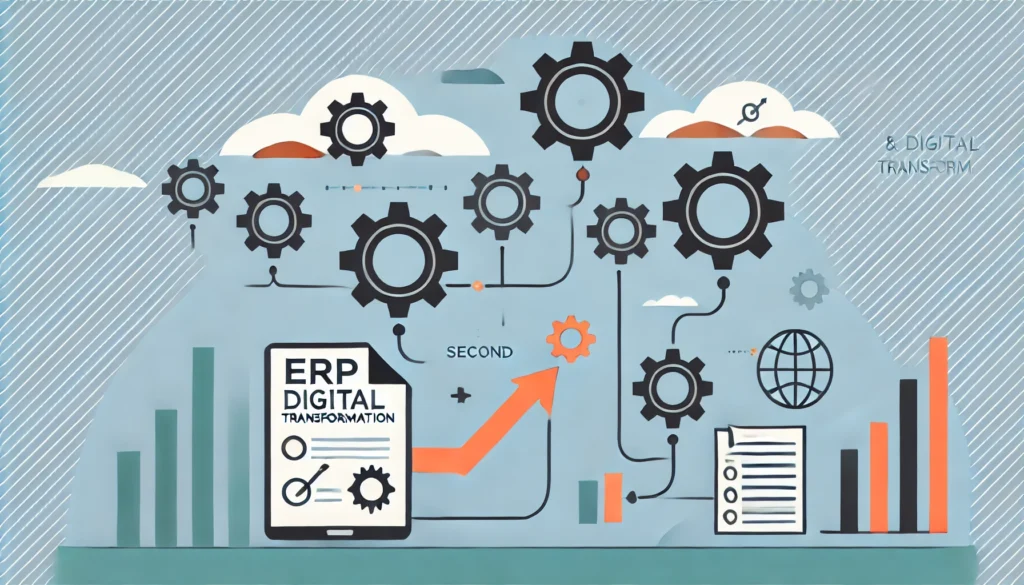
Digital transformation is no longer a buzzword; it’s a strategic imperative for businesses seeking to stay competitive in a rapidly evolving landscape. At the core of this transformation is Enterprise Resource Planning (ERP) software; a powerful tool that integrates and streamlines core business processes. Whether it’s automating workflows, improving decision-making, or enhancing customer experiences, ERP systems are central to driving innovation and efficiency. This blog explores how ERP software contributes to digital transformation, focusing on its impact across various business functions and why selecting the ERP Thought Leader is crucial for success. Understanding Digital Transformation Digital transformation involves leveraging technology to fundamentally change how businesses operate and deliver value to their customers. It encompasses modernizing systems, adopting data-driven decision-making, and enhancing organizational agility. However, the journey to digital transformation is complex, requiring tools that bridge traditional practices with new-age technologies. This is where ERP systems come in, acting as the backbone of an organization’s digital journey. How ERP Drives Digital Transformation Centralizing Data Across Departments ERP software integrates data from various business functions such as finance, supply chain, sales, and human resources into a unified system. This centralization eliminates silos and ensures that all teams have access to accurate, real-time information. Key benefits include: Improved collaboration across departments. Faster decision-making through comprehensive insights. Reduced redundancies and errors. Enhancing Operational EfficiencyAutomation is a cornerstone of digital transformation, and ERP systems excel at automating repetitive tasks like data entry, invoicing, and order processing. By streamlining these processes, businesses can focus on strategic initiatives rather than manual tasks. Examples of automation include: Generating purchase orders based on inventory levels. Automating payroll processing in HR. Managing compliance with financial regulations seamlessly. Supporting Scalability and GrowthAs businesses grow, their operational complexity increases. ERP systems are designed to scale with business needs, offering features that accommodate expanding product lines, customer bases, and geographical reach. For instance, ERP software can: Handle multi-currency transactions for international operations. Support multi-location inventory management. Integrate with additional third-party tools as needed. Facilitating Data-Driven Decision MakingERP systems provide businesses with advanced analytics and reporting tools, turning raw data into actionable insights. This enables leaders to make informed decisions based on real-time information rather than outdated reports. Use cases of ERP analytics include: Identifying trends in customer purchasing behavior. Optimizing production schedules based on demand forecasting. Monitoring financial performance across business units. Improving Customer ExperiencesDigital transformation is as much about enhancing customer satisfaction as it is about internal efficiency. ERP systems play a crucial role in delivering seamless customer experiences by: Ensuring timely order fulfillment through accurate inventory tracking. Personalizing interactions based on customer data. Providing self-service portals for order tracking and support. ERP’s Role in Specific Business Functions Supply Chain Management ERP systems optimize supply chain processes by offering real-time visibility into inventory, demand, and supplier performance. This reduces delays and improves delivery timelines. Finance and Accounting With automated financial reporting and compliance tools, ERP systems minimize errors and ensure that businesses stay on top of their financial health. Human Resources From managing payroll to tracking employee performance, ERP software streamlines HR processes, enabling businesses to focus on talent development and employee engagement. Emerging Technologies in ERP for Digital Transformation Modern ERP solutions are integrating emerging technologies to further accelerate digital transformation: Artificial Intelligence (AI): AI-driven ERP systems provide predictive analytics, automate routine tasks, and enhance decision-making capabilities. Internet of Things (IoT): IoT devices integrated with ERP systems offer real-time monitoring of production lines, equipment performance, and supply chain operations. Cloud Computing: Cloud-based ERP solutions allow businesses to access their systems anytime, anywhere, ensuring flexibility and scalability. Blockchain: Secure transactions and transparent supply chain operations are made possible through blockchain-enabled ERP systems. Choosing the ERP Consultant Selecting the right ERP solution is critical for achieving digital transformation. Here’s what to consider: Scalability: Ensure the ERP system can grow with your business. Customizability: Look for solutions that can be tailored to your specific industry needs. User-Friendly Interface: A straightforward and intuitive system reduces training time and improves adoption rates. Integration Capabilities: The ERP should integrate seamlessly with existing tools and technologies. Cloud vs. On-Premises: Choose between cloud-based or on-premises ERP based on your operational requirements and budget. Some of the ERP Consultant include: NetSuite ERP SAP Business One Microsoft Dynamics 365 Oracle ERP Cloud Sage Intacct Case Study: ERP Driving Digital Transformation The success of digital transformation hinges on integrating technology that simplifies, streamlines, and scales business operations. ERP systems act as a foundation, bridging the gap between traditional practices and modern innovation. By centralizing data, automating processes, and providing actionable insights, ERP software enables businesses to stay agile and competitive in a digital-first world. Why ERP Is Indispensable for Digital Transformation A Retail Chain’s Success Story: A mid-sized retail business in the USA implemented NetSuite ERP to unify its supply chain, finance, and customer relationship management. The results included: 30% reduction in inventory carrying costs. Enhanced customer satisfaction through faster order processing. Improved operational efficiency across all departments. Conclusion In today’s fast-paced business environment, digital transformation is no longer optional—it’s a necessity. ERP systems, with their ability to centralize data, automate processes, and provide real-time insights, are at the heart of this transformation. For businesses in the USA, selecting the ERP Consultant is crucial to achieving operational excellence and sustained growth. At ERP with Sagar, we’re committed to guiding businesses on their ERP journey. Explore how ERP can revolutionize your operations and position your business for success in a digital future.
NetSuite in Houston: Inside the Suite, Live and In Person
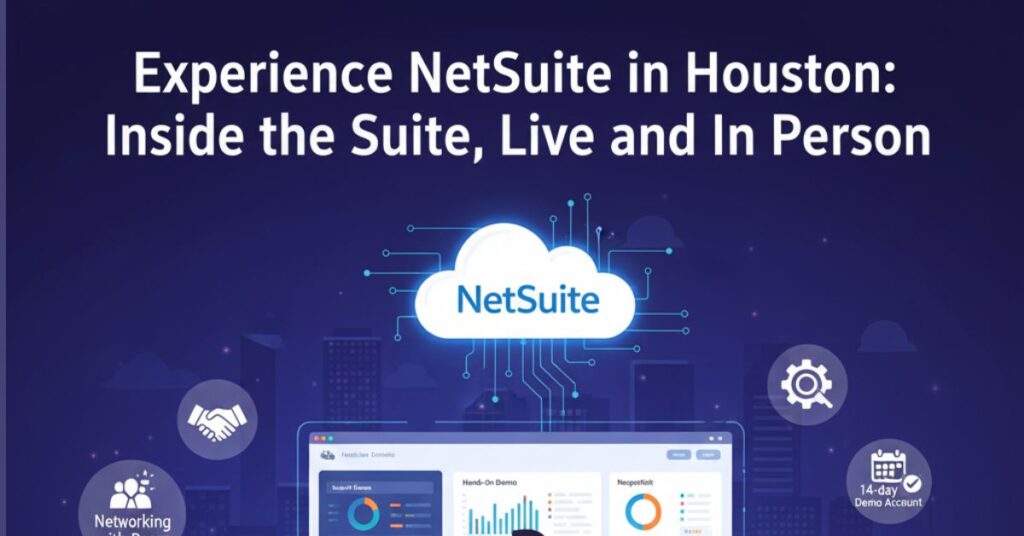
The ERP journey is often filled with questions: Is this the right platform? How complex is the implementation? Will the system scale as the business grows? To answer these concerns, Oracle NetSuite has created Inside the Suite NetSuite event, a free, live, in-person experience for finance leaders, nonprofit managers, and business executives who want to see NetSuite in action. This Houston-based event at The St. Regis Hotel provides not only a NetSuite live demo but also a chance to engage directly with the experts who build, implement, and optimize the platform. It is designed for leaders who want more than a sales pitch, they want hands-on interaction, face-to-face conversations, and practical insights. Why Attend the Inside the Suite NetSuite Event? Inside the Suite is not just another tech roadshow. It is an opportunity for professionals to evaluate ERP capabilities in real time. By participating, attendees move beyond presentations into actual working sessions where NetSuite is demonstrated, explored, and tested. Key Benefits of Attending Hands-On Interaction: Get a NetSuite hands-on experience by working directly within the software during the guided demo. You will navigate dashboards, test workflows, and experience how ERP transforms finance and operations. Real Conversations with Experts: Gain access to technical experts who understand ERP integration, implementation, and customization. Whether you are exploring a NetSuite ERP software upgrade or deploying for the first time, you can bring detailed questions. Networking with Peers: Discuss strategies with other leaders considering NetSuite. Share challenges, compare experiences, and build connections that extend beyond the event. Try Before You Buy: Leave the event with a free 14-day NetSuite demo account, allowing you to explore the system at your own pace after the session. What Makes This NetSuite Live Demo Unique Unlike generic webinars, the Inside the Suite NetSuite event focuses on immersion. Attendees are expected to bring laptops and actively work through processes. This is not passive listening — it is an interactive learning lab designed to show what ERP feels like when used day-to-day. What to Expect from the Demo Interactive Business Management Demo: For finance and operations leaders, this demo showcases reporting, automation, and AI-driven insights. It focuses on efficiency, scalability, and growth readiness. Nonprofit-Specific Demo: For nonprofit managers, a parallel track highlights NetSuite for nonprofits. This session emphasizes grant management, donor tracking, and compliance reporting — features tailored for mission-driven organizations. Scenario-Based Walkthroughs: Explore use cases like closing the books, automating order-to-cash, and forecasting financials. These hands-on examples reveal how NetSuite responds to real-world demands. Built-In Support: Each demo session is guided by product experts who provide explanations, troubleshooting, and strategic advice in real time. Agenda at a Glance The structure of Inside the Suite balances networking with focused product deep dives. Registration, Breakfast, and Introductions (9:30 – 10:15 a.m.): Meet other attendees, set up laptops, and review the day’s objectives. Hands-On Session (10:15 – 11:45 a.m.): Choose between the business demo or the nonprofit demo track. Both provide a NetSuite hands-on experience. Ask the Experts (11:45 – 12:15 p.m.): Bring your toughest ERP questions to the consultants and technical specialists available at the event. This format ensures every participant gains insights tailored to their industry and operational challenges. Who Should Attend Inside the Suite? The event is designed for leaders considering ERP transformation. If you are wondering whether your current systems are holding back growth, this event gives you clarity. Finance Leaders: CFOs, controllers, and finance directors evaluating ERP modernization. Operations Managers: Leaders responsible for scaling operations and integrating systems. Nonprofit Executives: Program managers and grant administrators looking for NetSuite for nonprofits solutions. IT Decision-Makers: CIOs and system managers tasked with implementing technology upgrades. Why Choose NetSuite Over Other ERP Platforms Many businesses face uncertainty about whether now is the right time to switch ERP systems. At Inside the Suite, leaders can experience how NetSuite addresses these pain points in a way competitors cannot. Unified Data Platform: Eliminate silos by connecting finance, operations, and customer data. AI-Powered Insights: Move beyond spreadsheets with predictive analytics and automated reporting. Industry-Specific Functionality: From retail to nonprofits, NetSuite provides modules built for unique requirements. Scalable ERP Software Upgrade Path: Start with the essentials and expand as the business grows, avoiding costly re-platforming. Practical Takeaways from Inside the Suite Attendees leave with more than product knowledge. They walk away with the confidence to evaluate ERP options and a toolkit for decision-making. Free Demo Access: Explore NetSuite features for 14 days after the event. Implementation Insights: Understand timelines, costs, and best practices for deployment. Integration Clarity: Learn how NetSuite connects with Salesforce, eCommerce platforms, and third-party applications. Growth Planning Tools: Discover how NetSuite supports long-term expansion without constant software replacement. Conclusion: Why Houston Leaders Cannot Miss Inside the Suite ERP transformation is a high-stakes decision, and the best way to evaluate an ERP system is to experience it firsthand. The Inside the Suite NetSuite event gives business leaders in Houston the chance to test-drive the platform, interact with experts, and envision how it can reshape financial and operational processes. Whether you are a CFO considering a NetSuite ERP software upgrade or a nonprofit leader exploring NetSuite for nonprofits, this in-person session provides clarity, confidence, and community. By combining a NetSuite live demo, expert Q&A, and networking opportunities, the event ensures you leave prepared to make the right ERP choice for your organization’s future.
How to Choose the Right ERP Partner for Your Business
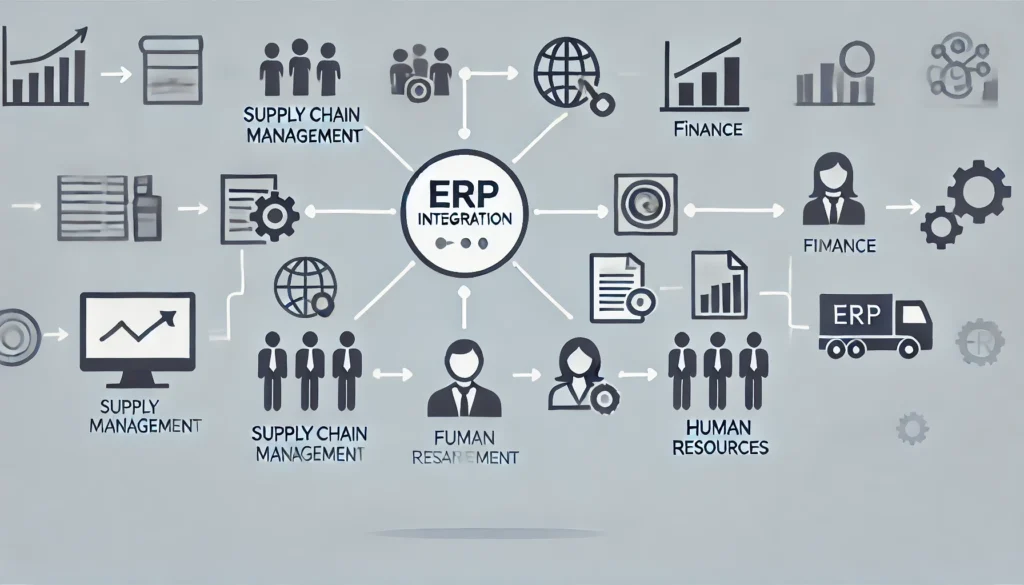
Supply chain management, finance, and human resources are just a few of the corporate operations that are integrated into a single software program by an ERP Expert. Among the many advantages of implementing an ERP system are enhanced competitiveness, better decision-making, and more efficiency. However, there are several of the ERP Expert and choosing the appropriate implementation partner for your business is crucial to the ERP project’s success. This blog will discuss the significance of selecting the best ERP installation partner as well as factors to take into account. Let’s begin! What ERP Implementation Partners? ERP Expert A technology company or consulting firm that specializes in ERP system deployment for businesses is known as an ERP implementation partner. These partners are proficient in implementing and tailoring ERP solutions to their clients’ particular requirements. They guarantee a seamless transfer to the new system by offering direction, assistance, and technical know-how throughout the installation process. SAP Business One A technology company or consulting firm that specializes in ERP system deployment for businesses is known as an ERP implementation partner. These partners are proficient in implementing and tailoring ERP solutions to their clients’ particular requirements. They guarantee a seamless transfer to the new system by offering direction, assistance, and technical know-how throughout the installation process. Why do you need to choose the right ERP Implementation Partner? Your company can benefit greatly from selecting the right ERP implementation partner. Even though there are the ERP Expert though that does not imply they all are perfect for your business, There are five main ways that a strong ERP partner may assist you: A higher return on investment: By making sure the new system is appropriately configured, tailored, and adjusted to your organization’s unique requirements, the correct ERP partner helps you get the most out of your investment. Their knowledge and hard work result in higher ROI through enhanced productivity, better business procedures, and ERP cost savings. Increased Adoption by Users: Partners strategically aim to promote user adoption in addition to offering training. Their ability to manage change facilitates the shift and encourages use of the new system. Compared to ERP rollouts, this results in significantly greater user acceptance rates. Better Procedures for Business: By coordinating the ERP’s capabilities with industry best practices, proficient ERP implementation services maximize your workflows and procedures. To fully utilize the enhanced functionality and data that the ERP offers, they re-engineer procedures. Business procedures become more effective and efficient as a result. Reduced Project Hazards: Based on their prior deployment experience, partners reduce implementation risks that could cause expensive business disruption. They have backup plans and troubleshoot problems fast to keep the project moving forward. As a result, there is little interference with activities during the rollout. More Adequate to Needs: The ideal partner takes the time to comprehend the particular needs of your company and adapts the ERP to fit your goals and procedures. You will get the most out of your ERP investment thanks to this customized fit. How to choose from the ERP Expert Knowledge of the Industry: Finding a partner with extensive knowledge of your sector and its unique issues is crucial when selecting an ERP installation partner. A partner with experience in the field can contribute insightful opinions and best practices. They have implemented ERP systems for similar firms and are aware of the particular opportunities and challenges in your industry. Seek out an ERP installation firm that has successfully implemented ERPs in your sector in the past and has a thorough awareness of the rules, procedures, and difficulties unique to your sector. This will make the switch from your present systems to the appropriate ERP software easier and more successful with the help of the ERP Expert Proven Track Record: A partner’s capacity to carry out projects successfully and efficiently is demonstrated by their track record of successfully implementing ERP. Request case studies and references from prior customers to determine their degree of experience and skill. This will enable you to comprehend how they have handled difficult initiatives, overcome obstacles, and produced measurable outcomes for their customers. A successful implementation is more likely if you choose a partner with a solid track record. Proficiency with ERP Software: It is crucial to have a thorough understanding of the ERP system you have selected, including its technical features, constraints, and customization possibilities. Verify that the ERP partner has received the required training and certifications from the ERP software publisher. Any third-party add-ons or integrations that are essential to the functioning of your company should be known to the partner. Extra points if they provide ERP customization services and/or their own integrations. This demonstrates their technical proficiency, capacity to satisfy client demands, and practical ERP experience. Collaboration and Effective Communication: A successful ERP software installation depends on efficient communication and teamwork, which is another element on the ERP implementation checklist. Throughout the project, your ERP partner should be able to keep lines of communication open, be transparent, and take proactive measures to resolve any problems. Verify that the partner respects candid communication, pays attention to your demands, and is dedicated to collaborating closely with your project team to meet your goals. You can raise the possibility of a successful implementation by selecting a partner who values cooperation and communication. Flexibility and Adaptability: Since each ERP deployment is different, unforeseen difficulties or needs modifications may arise. In order to maintain the project on schedule and within budget, a strong ERP partner should be able to modify their strategy and react to any changes in an efficient manner. Seek out a genuine partner who exhibits flexibility and is able to customize their services to meet the unique requirements of your company. A successful implementation is more likely if you choose a partner who is adaptive and flexible. Conclusion The success of your ERP project as a whole will be greatly impacted by your choice of ERP implementation partner. You can select a partner with the experience, knowledge, and strategy